
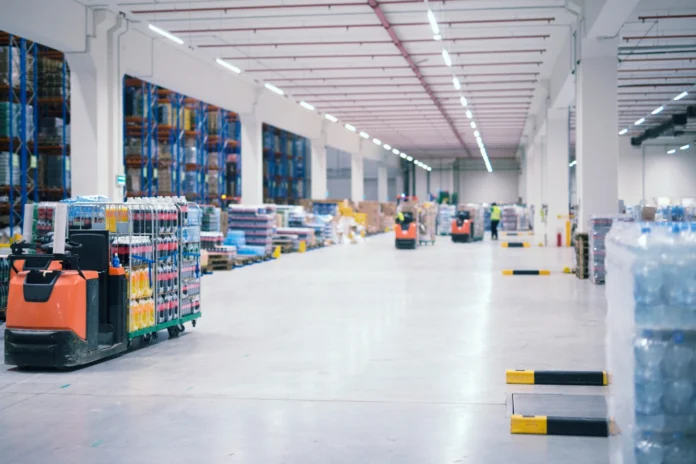


Finding the right warehouse space can shape how smoothly a business operates. A good warehouse supports storage, shipping, receiving, inventory control, staff movement, and future growth. The wrong space can create delays, higher costs, safety concerns, and daily frustration.
Many businesses start looking for a warehouse only after they have already run out of room. By that point, the decision can feel rushed. A better approach is to evaluate space needs before operations become crowded, inefficient, or expensive to manage.
Table of Contents
Start With Your Business Needs
Before comparing buildings, define what the warehouse must support. A company that stores packaged goods may need wide aisles, pallet racking, loading access, and strong inventory systems. A business that handles furniture, equipment, or oversized products may need larger clear heights, open floor space, and easy truck access.
Think about the type of products being stored, how often inventory moves, how many shipments go out each day, and whether customers or staff will regularly visit the location. Some businesses only need basic storage. Others need a space that supports packing, assembly, returns, light production, office work, or local distribution.
The right space should match the daily workflow, not just the square footage number.
Location Can Affect Daily Costs
Warehouse location matters because it affects delivery speed, labor access, fuel costs, and customer service. A cheaper space far from suppliers, customers, highways, or staff may cost more in the long run.
For businesses that ship frequently, access to major roads and delivery routes can be important. For local service companies, being close to the customer base may reduce drive time. For ecommerce or wholesale businesses, the location should support fast inbound and outbound movement.
Zoning also matters. The U.S. Small Business Administration explains that businesses buying, renting, building, or working from a physical property should make sure the location conforms to local zoning requirements through its guide on how to pick your business location. Before signing a lease, confirm that the intended use is allowed.
Look Beyond Square Footage
Square footage is only one part of warehouse planning. A 5,000-square-foot warehouse with poor layout may be less useful than a smaller space with better access, higher ceilings, and cleaner movement paths.
Clear height is important if you plan to use racking or stack inventory vertically. Loading docks, drive-in doors, parking, ceiling clearance, floor condition, lighting, power capacity, ventilation, and restroom access can all affect how useful the space feels.
Ask practical questions during the search:
Can trucks enter and exit easily?
Is there room for pallets, shelving, or equipment?
Are aisles wide enough for carts, forklifts, or pallet jacks?
Is the floor strong and level enough for storage needs?
Can staff move safely between storage, packing, and shipping areas?
A warehouse should help work flow naturally from receiving to storage to fulfillment.
Consider Flexible Space for Growth
A business may not need a huge warehouse today, but it should think about what happens over the next year or two. Seasonal demand, new product lines, larger orders, and additional staff can change space needs quickly.
Flexible terms can be especially helpful for growing companies. Long leases may work for stable operations, but they can feel restrictive if the business expands faster than expected. Shorter commitments, scalable spaces, shared warehouse options, or flexible industrial units may reduce risk.
For companies that need storage and operational space without committing to a traditional long-term lease, warehouse rental can offer a practical way to manage inventory, equipment, and fulfillment needs while keeping room for change.
Safety Should Be Part of the Decision
A warehouse is not only a storage space. It is also a workplace. Layout, lighting, equipment paths, floor condition, ventilation, exits, and storage systems can affect employee safety.
OSHA notes that warehousing and storage facilities may involve hazards connected to powered industrial trucks, ergonomics, material handling, hazardous chemicals, slips and falls, and robotics on its warehousing overview. These risks should be considered before choosing a space, not only after move-in.
Look for clear walkways, safe loading areas, proper lighting, visible exits, and enough space to separate people from moving equipment. If forklifts or pallet jacks will be used, make sure the layout can support safe movement.
Think About Inventory Management
A warehouse should make inventory easier to control. If products are hard to find, poorly labeled, or stored in crowded areas, staff will waste time and mistakes will increase.
Plan where incoming goods will be received, inspected, stored, picked, packed, and shipped. Leave room for returns, damaged goods, supplies, and seasonal inventory. Even a small warehouse can work well if zones are clearly organized.
Labeling systems, shelving, barcode tools, and inventory software can improve accuracy. The physical layout should support those systems. For example, fast-moving items should be easier to reach than slow-moving inventory.
Review Lease Terms Carefully
Before signing a warehouse lease, review the details beyond monthly rent. Common costs may include utilities, maintenance, insurance, taxes, common area fees, repairs, security, internet, waste removal, and improvements.
Ask who is responsible for roof repairs, HVAC systems, doors, plumbing, electrical issues, pest control, and parking areas. Also check whether the lease allows your planned use, signage, equipment, storage materials, deliveries, or customer pickups.
Some businesses may need permission to install shelving, office areas, security systems, or specialized equipment. These details should be clear before move-in.
Plan the Move Before You Move
Moving into a warehouse takes planning. Inventory, equipment, shelving, packing stations, office supplies, internet, utilities, signage, and safety procedures all need attention.
Create a move-in checklist. Decide what must be operational on day one and what can be added later. Map out storage zones before inventory arrives. Train staff on traffic paths, loading areas, emergency exits, and equipment rules.
A smooth setup can reduce downtime and help the team begin using the space efficiently.
Also Read: Why Clear Project Scheduling Helps Businesses Finish Work With Less Stress
Final Thoughts
Choosing the right warehouse space is about more than finding an empty building. The best option should support daily workflow, safe movement, inventory control, shipping needs, staff access, and future growth.
A business should compare location, layout, lease flexibility, safety, and operating costs before making a decision. With careful planning, warehouse space can become a strong part of the company’s growth instead of a daily obstacle.