
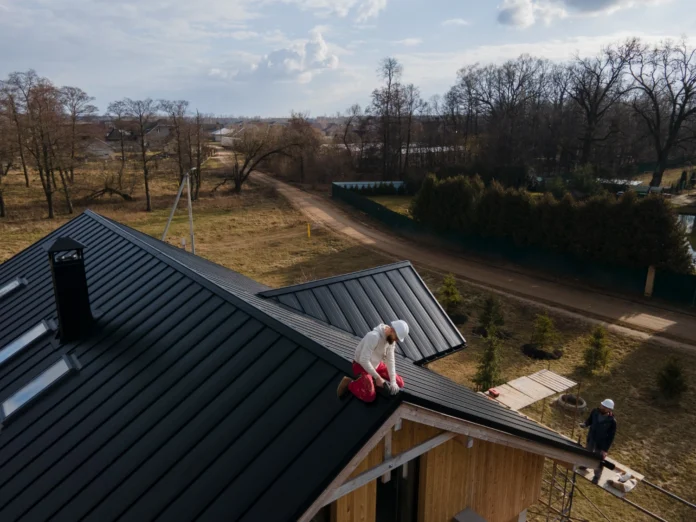


A roof is one of the most important parts of a home, but it is easy to forget about until something goes wrong. In San Diego, roofs deal with strong sun, coastal moisture, occasional heavy rain, wind, salt air in some areas, and long dry periods. These conditions can slowly wear down roofing materials even when the home looks fine from the street.
Regular roof maintenance helps homeowners catch small issues before they turn into leaks, water damage, mold concerns, or expensive repairs. A few simple checks each year can make a big difference in how long a roof lasts.
Table of Contents
San Diego Weather Creates Unique Roof Challenges
San Diego is known for mild weather, but local conditions can still affect roofing systems. Sun exposure can dry out materials over time. Coastal air may contribute to corrosion on metal flashing, fasteners, vents, and other exposed components. During rainy periods, small cracks or weak areas can quickly become noticeable.
Homes near the coast may face more moisture and salt exposure, while inland homes may experience stronger heat during summer. Hillside homes may also deal with wind-driven rain. Because roofing conditions can vary by neighborhood, homeowners should not assume that a roof is fine just because the climate feels moderate.
Look for Early Warning Signs
Many roof problems begin with small visual clues. Missing shingles, cracked tiles, lifted edges, damaged flashing, loose gutters, stains on ceilings, and debris buildup can all point to a roof that needs attention.
Inside the home, watch for brown ceiling spots, peeling paint, musty smells, damp insulation, or water marks near skylights and vents. These signs may mean water is getting past the roof surface.
Outside, inspect from the ground when possible. Look for sagging areas, broken tiles, exposed underlayment, damaged vents, or uneven rooflines. Binoculars can help you see more clearly without climbing onto the roof.
Clean Gutters and Drainage Areas
Gutters and drainage paths are easy to overlook, but they play an important role in protecting the roof and the home. When gutters are clogged with leaves, dirt, or debris, rainwater can back up and move where it should not. This can damage fascia boards, walls, foundations, and roof edges.
Flat or low-slope roof sections need special attention because water should not sit for long periods. Ponding water can add weight, weaken materials, and increase leak risk.
Before rainy seasons, check gutters, downspouts, scuppers, and roof drains. Make sure water can move away from the home properly. If drainage problems repeat, the issue may need professional evaluation.
Pay Attention to Flashing and Roof Penetrations
Flashing is used around chimneys, vents, skylights, walls, and other areas where the roof surface is interrupted. These areas are common leak points because they rely on proper sealing and installation.
Cracked sealant, loose flashing, rust, gaps, or lifted edges should be checked quickly. A leak around a vent or skylight may start small but can damage drywall, framing, insulation, and flooring over time.
If the roof has solar panels, satellite mounts, HVAC equipment, or other attachments, those areas should also be inspected. Any roof penetration needs to be properly sealed to keep water out.
Know When Professional Help Is Needed
Some maintenance tasks, such as clearing small debris from the ground-level gutter area or checking the attic for stains, may be manageable for homeowners. However, roof work can be dangerous, especially on tile roofs, steep roofs, wet surfaces, or older structures.
If there are visible leaks, broken tiles, soft areas, recurring moisture, storm damage, or unknown roof age, it is safer to contact a professional. A qualified inspection can help determine whether the roof needs a small repair, larger repair, maintenance work, or replacement planning.
For homeowners comparing repair options or dealing with repeated roof issues, a trusted roof company San Diego can help evaluate the roof condition and explain practical next steps.
Energy Efficiency Starts at the Roof
A roof can affect more than leak protection. It can also influence indoor comfort and energy use. Light-colored or reflective roofing materials may help reduce heat absorption in some homes, especially during warm months.
The U.S. Department of Energy explains that cool roofs are designed to reflect more sunlight and absorb less solar energy than standard roofs. This can help reduce roof surface temperature and improve comfort in certain buildings.
Homeowners considering roof replacement should think about material choice, ventilation, insulation, color, and long-term performance. The cheapest option is not always the best value if it wears quickly or performs poorly in local conditions.
Safety Should Come First
Roof inspections and repairs can involve fall risks. Even a one-story home can be dangerous if the surface is slippery, fragile, or uneven. Tile roofs can also crack if walked on incorrectly.
The Occupational Safety and Health Administration provides information on fall protection because falls are a serious risk in construction and roofing work. While this guidance is mainly workplace-focused, it is a useful reminder that roof access should never be taken lightly.
Homeowners should avoid climbing onto a roof during rain, wind, or after dark. If the roof is steep, damaged, or difficult to access, professional inspection is the safer choice.
Keep Roof Records Organized
Roof records can help homeowners make better decisions. Keep documents related to roof installation, warranties, repairs, inspections, permits, materials, and contractor work. If the roof is older, write down any known repair history.
Photos are useful too. Taking pictures after inspections or repairs can help track changes over time. If a leak appears later, old photos may help show whether the issue is new or part of a recurring problem.
Good records are also helpful when selling a home. Buyers often ask about roof age, condition, and past repairs.
Schedule Seasonal Checks
San Diego homeowners should check roof condition at least once or twice a year. A good time is before the rainy season and again after any major weather event. If the home is near trees, gutters may need more frequent attention.
A seasonal roof checklist can include:
Checking for visible damage from the ground
Cleaning gutters and downspouts
Looking for stains inside ceilings or attic areas
Inspecting skylights, vents, and flashing
Watching for loose, cracked, or missing materials
Reviewing drainage after rain
Small routine checks can prevent bigger surprises later.
Also Read : Practical Air Conditioning Maintenance Tips for Denver Homeowners
Final Thoughts
Roof maintenance is one of the smartest ways to protect a San Diego home. Sun, moisture, coastal air, and seasonal rain can slowly wear down roofing materials, even when damage is not obvious at first.
Homeowners should watch for warning signs, keep drainage clear, pay attention to flashing, and schedule professional help when problems appear. A well-maintained roof protects the home, improves comfort, and helps avoid costly water damage over time.