
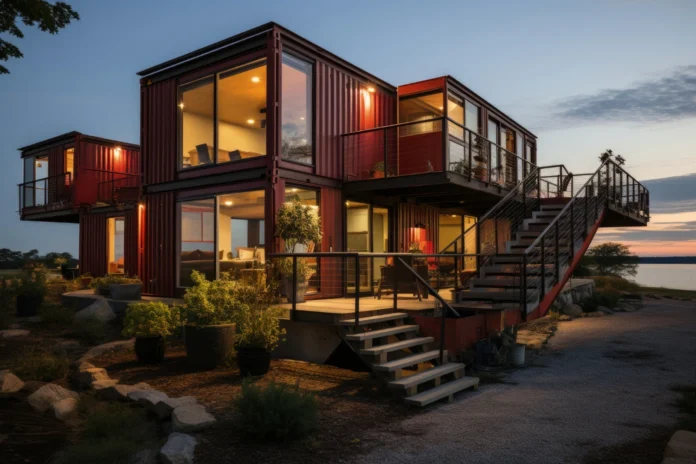


Modern housing needs are changing. Some people want smaller homes, some want faster construction, and others want flexible structures for guest space, vacation rentals, offices, or remote land. Container-based construction has attracted attention because it begins with a strong modular form that can be adapted in many ways. The appeal is not only the industrial look. It is the possibility of creating practical spaces with a clear footprint and a design that can be customized.
Well-planned container homes can serve many purposes, from compact cabins to larger multi-container layouts. They can include kitchens, bathrooms, bedrooms, decks, and energy-efficient upgrades. The best results come from treating the container as a building system rather than a shortcut. Design, engineering, insulation, permitting, and site preparation still matter.
Table of Contents
Planning beyond the exterior shell
A shipping container may look sturdy from the outside, but turning it into a comfortable interior requires thoughtful planning. Openings for windows and doors must be reinforced correctly. Insulation needs to fit the climate. Plumbing and electrical work must be integrated safely. Ventilation, moisture control, and heating or cooling all affect long-term comfort. A container home is still a home, so it needs the same level of care as any other residential project.
Building code compliance is also important. The International Code Council provides widely used model codes that help guide safe construction, structural design, and building performance. Local requirements vary, so owners should speak with qualified professionals before assuming what is allowed on a specific property. A beautiful design only works if it can be approved, insured, and used safely.International Code Council.
Also Read : Meaningful Social Gatherings Help Seniors Stay Connected and Confident
Comfort, energy use, and site conditions
One common mistake is focusing only on the container itself. The land, foundation, utilities, drainage, access roads, and orientation of the structure can all affect the project. A container placed in full sun in a hot climate may need strong insulation and shading. A rural property may require extra planning for septic, water, and electrical service. These details influence cost and comfort just as much as interior finishes.
Energy performance should also be considered early. ENERGY STAR offers guidance on efficient homes, appliances, heating and cooling, and building choices that can reduce waste. In a container home, energy planning may include better windows, proper air sealing, efficient HVAC equipment, and smart placement of openings. The compact shape can be an advantage, but only when the building envelope is designed carefully. ENERGY STAR.
Also Read :A Practical Guide to Choosing the Right Ford Dealer in Florida
When container homes make business sense
Container structures are not limited to private residences. Businesses may use them for hospitality units, offices, retail pop-ups, employee housing, or specialty workspaces. Their modular nature can make them attractive for projects that need a distinctive appearance and a defined build process. However, owners should compare total project costs rather than assuming containers are automatically cheaper than conventional construction.
The strongest container projects begin with a realistic plan. That plan includes design goals, budget, code review, site work, utilities, finishes, delivery logistics, and long-term maintenance. When those pieces are handled carefully, container-based construction can offer a flexible and memorable approach to modern space planning. It works best when creativity is matched with professional execution.
Working with experienced builders can also help owners avoid design decisions that look good online but become difficult in practice. For example, large glass openings may improve views, but they can require structural reinforcement and better climate control. Rooftop decks, stairs, and multi-container layouts may add value, but they also add engineering details. A clear scope keeps the project organized and helps owners decide which upgrades truly support the way the space will be used.