
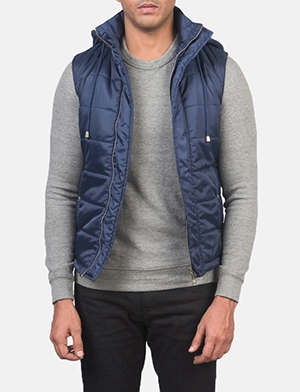


Staring at a full closet and still feeling like you have nothing to wear is one of the most common style frustrations. The problem, however, is not always a lack of clothes. More often, it comes down to having too many pieces that do not work well together or do not fit the demands of your everyday life.
A versatile wardrobe is not about owning hundreds of items or following every seasonal trend. It is about choosing practical, well-made pieces that can work across different settings and be styled in more than one way.
Whether you are getting dressed for work, heading out for coffee, meeting friends for dinner, or dealing with changing weather, the right wardrobe can make those decisions much easier.
Here is how to build a wardrobe that works for almost every occasion without constantly buying something new.
1. Start With an Honest Wardrobe Audit
Before buying anything, take a close look at what you already own.
Take everything out of your wardrobe and divide your clothes into three simple groups:
- Pieces you wear regularly
- Pieces you rarely wear
- Pieces that no longer fit your lifestyle, body, or personal style
This process can reveal more than you might expect. You may discover that you already own plenty of basic tops but lack versatile trousers, or that you have several jackets but nothing suitable for slightly more formal occasions.
Ask yourself a few practical questions:
- What clothes do I reach for most often?
- Which pieces have not been worn in several months?
- Which occasions are hardest to dress for?
- Are there items I keep buying repeatedly?
- Do most of my clothes work together, or do they require very specific combinations?
The answers will help you identify genuine gaps instead of creating new ones through unnecessary shopping.
2. Think About Your Real Lifestyle
A wardrobe should be designed around your actual life rather than an idealized version of it.
Think about where you spend most of your time. Someone who works in a formal office will need different staples from someone who works remotely. Likewise, someone who regularly attends social events may need more smart-casual options than someone whose weekends are mostly spent at home.
Start by identifying your most common occasions.
Casual Everyday Wear
This category can include errands, coffee runs, shopping trips, travel, and relaxed weekends. Comfortable jeans, plain T-shirts, casual shirts, sneakers, and versatile jackets can form the foundation.
Work and Professional Settings
Depending on your workplace, this could include tailored trousers, button-down shirts, knitwear, loafers, boots, blazers, or other polished basics.
Evenings and Social Events
Dinner dates, celebrations, gatherings, and nights out often require something slightly more refined. A clean shirt, tailored trousers, smart shoes, and a well-structured jacket can make a simple outfit feel considerably more polished.
Transitional Weather
Changing temperatures can make dressing difficult. Lightweight layers, jackets, sweaters, and overshirts allow you to adjust your outfit throughout the day without carrying an entirely separate wardrobe.
Once you understand these categories, you can choose clothes that cover multiple situations rather than buying separate outfits for every occasion.
3. Build Your Wardrobe Around Versatile Basics
The strongest wardrobes usually start with simple foundations.
Neutral colors such as black, white, navy, grey, brown, beige, and olive are particularly useful because they can be combined in countless ways. You do not need every item to be neutral, but having a strong neutral foundation makes styling much easier.
Useful wardrobe basics can include:
- Well-fitting jeans
- Tailored or relaxed trousers
- Plain T-shirts
- Button-down shirts
- Knitwear
- A versatile blazer
- Casual overshirts
- A quality everyday jacket
The key is not simply owning these items. Fit matters just as much as the category itself. A basic shirt that fits properly will usually look more polished than an expensive shirt that does not suit your proportions.
When choosing a new piece, think about how many existing items you can wear it with. If one shirt works with your jeans, trousers, jacket, and several pairs of shoes, it is likely to become a useful part of your wardrobe.
4. Invest in Versatile Outerwear
Outerwear can completely change the appearance of an outfit. It is also one of the easiest ways to make a simple wardrobe feel more varied.
yah This is one reason a leather jacket can be such a useful wardrobe investment. A classic leather jacket can be worn casually with denim and sneakers, but it can also be layered over a shirt or knitwear for a more refined appearance.
When shopping for one, focus on construction, fit, color, and overall design rather than temporary trends. A simple black or brown style with a clean silhouette is generally easier to wear repeatedly than an overly detailed statement design.
For shoppers looking for classic men’s outerwear, The Leather Coats offers a range of options that can work as part of a versatile wardrobe. Their men’s jackets collection includes different styles, making it easier to compare silhouettes and choose an option that fits your everyday needs.
The goal is not to own several similar jackets. One well-chosen piece that works with multiple outfits can often provide more value than several trend-driven alternatives.
5. Choose Shoes That Can Handle Multiple Settings
Shoes can quickly take up too much space when every outfit seems to require a different pair.
Instead, focus on footwear that can work across several situations.
A practical rotation might include:
- Clean leather sneakers for everyday outfits
- Loafers or smart casual shoes for polished looks
- Boots that can work for both casual and evening outfits
- Weather-appropriate footwear for rain, cold, or other difficult conditions
The right combination depends on your lifestyle, but the principle remains the same: prioritize versatility.
For example, a simple pair of leather boots can work with jeans on a casual day and with tailored trousers for an evening occasion. That makes them considerably more useful than a pair of shoes that only works with one specific outfit.
6. Learn to Use Layers
Layering is one of the simplest ways to make a wardrobe more flexible.
A plain T-shirt can look completely different under a cardigan, overshirt, blazer, or jacket. Layering also allows you to respond to changing temperatures throughout the day.
Some useful layering pieces include:
- Lightweight cardigans
- Overshirts
- Knit sweaters
- Casual blazers
- Denim jackets
- Leather jackets
- Lightweight coats
The advantage of layers is that they can change both comfort and formality without requiring a complete outfit change.
For example, you might wear a button-down shirt with trousers during the day and add a structured jacket before heading out for dinner. Small changes can make the same foundation feel appropriate for a different setting.
7. Pay Attention to Fit
A versatile wardrobe is only useful if the clothes actually fit well.
This does not mean everything needs to be extremely slim or tailored. Different styles can work, including relaxed, straight, oversized, and classic fits. What matters is that the proportions look intentional and suit your body.
Pay particular attention to:
- Shoulder seams on jackets and shirts
- Trouser length
- Sleeve length
- Waist fit
- Overall proportions
If an item almost fits but needs a small adjustment, tailoring can sometimes make a significant difference. A simple garment with a good fit often looks more sophisticated than a much more expensive piece with poor proportions.
8. Buy Less, But Choose Better
Buying fewer, better-quality pieces can make your wardrobe easier to manage.
This does not mean every item needs to be expensive. Instead, consider durability, construction, comfort, and how frequently you are likely to wear the item.
Before making a purchase, ask yourself:
Can I wear this with at least three things I already own?
If the answer is yes, the item is more likely to become a useful part of your wardrobe.
Also consider cost per wear. A jacket that you wear every week for several years may provide considerably more value than a cheaper item that loses its shape after a few months.
Quality should therefore be judged by usefulness and longevity, not simply by the price tag.
9. Add Personality Without Overcomplicating Your Closet
A versatile wardrobe does not have to be boring.
Once your basic foundation is established, you can introduce personality through color, texture, accessories, patterns, and statement pieces.
For example, you might keep most of your wardrobe neutral and add character through:
- A patterned shirt
- A distinctive watch
- A textured sweater
- A colorful scarf
- A statement jacket
- Interesting footwear
This approach makes it easier to experiment without turning your entire wardrobe into a collection of difficult-to-style pieces.
Trends can also have a place in your wardrobe, but they do not need to control it. Adding one or two current pieces each season is often enough to keep your style feeling fresh while allowing timeless staples to remain the foundation.
10. Refresh Your Wardrobe Seasonally
Even a well-planned wardrobe needs occasional maintenance.
At the beginning or end of each season, review what you own. Put away items that are unlikely to be useful for the current weather and bring forward pieces that make sense for the coming months.
Use this opportunity to check for:
- Clothes that need repairs
- Items that no longer fit
- Pieces you have consistently avoided wearing
- Missing basics
- Items that need professional cleaning
This process prevents clutter and makes it easier to identify genuine gaps.
It also reduces impulse shopping because you have a clearer understanding of what you actually need.
11. Create Outfits Before You Need Them
One simple way to make a wardrobe work harder is to create combinations in advance.
Try putting together a few reliable outfits for your most common situations.
For example:
Casual: T-shirt + jeans + leather jacket + sneakers
Smart casual: Button-down shirt + trousers + leather boots + structured jacket
Weekend: Knitwear + relaxed trousers + sneakers + overshirt
Evening: Shirt + tailored trousers + boots + classic outerwear
These combinations give you a starting point when you are short on time. You can then change one element depending on the weather, occasion, or mood.
Frequently Asked Questions
How many pieces do I need for a versatile wardrobe?
There is no universal number. The right amount depends on your lifestyle, climate, work requirements, and personal preferences. Instead of aiming for a specific number, focus on owning pieces that can be mixed and matched across multiple occasions.
What is the first step in building a wardrobe for every occasion?
Start with a wardrobe audit. Identify what you wear regularly, what you rarely use, and what no longer fits your current lifestyle. This helps you understand your actual needs before spending money on new clothes.
Is a leather jacket versatile enough for everyday wear?
Yes. A classic leather jacket can work with jeans and a T-shirt for casual outfits and can also be layered over shirts, knitwear, or tailored trousers for a more polished appearance. Choosing a simple design makes it easier to wear across different seasons and occasions.
How often should I review my wardrobe?
A seasonal review is a practical approach. Every few months, look through your clothes, identify items that need replacing or repairing, and determine whether your current wardrobe still matches your lifestyle.
Should I follow fashion trends or stick to timeless pieces?
Timeless pieces should generally form the foundation of your wardrobe because they remain useful for years. Trends can be introduced through smaller purchases, accessories, colors, or one or two statement pieces.
What makes a clothing item versatile?
A versatile item can be worn in several situations and combined with multiple pieces already in your wardrobe. Neutral colors, simple designs, comfortable fabrics, and good fit generally make clothing easier to style.
Conclusion
Building a wardrobe that works for every occasion is less about owning more clothes and more about making smarter choices.
Start by understanding your lifestyle and auditing what you already own. Build your collection around versatile basics, invest in practical footwear and outerwear, learn how to layer, and pay attention to fit. Once the foundation is in place, you can add personality through seasonal trends and statement pieces without creating unnecessary clutter.
A well-planned wardrobe should make getting dressed easier, not more complicated. When your clothes work together, you can create more outfits from fewer pieces and feel prepared for whatever the day brings.
Start with your wardrobe audit this week. Identify the gaps, work with what you already have, and add new pieces only when they genuinely improve the way your wardrobe functions.