
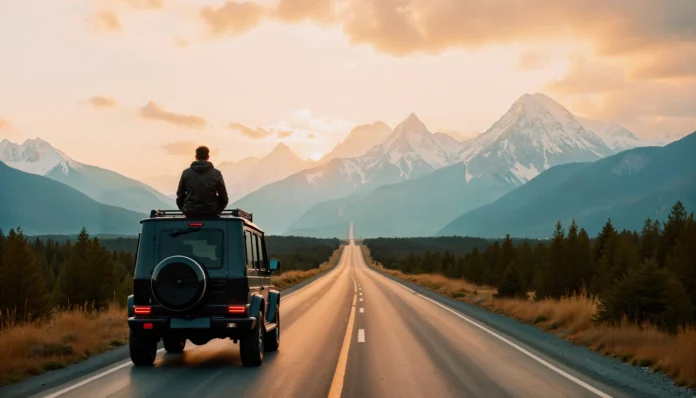


California is one of the best states for a road trip because the scenery changes quickly. One route can include beaches, redwood forests, desert landscapes, wine country, mountain roads, small towns, and national parks. That variety is exciting, but it can also make planning feel bigger than expected.
A good California road trip does not need every hour scheduled. In fact, the best trips usually leave room for slow mornings, unexpected stops, scenic detours, and changes in weather. The key is to plan the important details while keeping the trip flexible enough to enjoy.
Table of Contents
Choose a Route That Matches Your Travel Style
Before booking anything, think about the type of trip you actually want. Some travelers want beaches and coastal towns. Others want hiking, national parks, desert views, food stops, or city breaks.
A classic coastal trip might include San Diego, Orange County, Los Angeles, Santa Barbara, Big Sur, Monterey, and San Francisco. A nature-focused route might include Yosemite, Sequoia, Lake Tahoe, Lassen Volcanic National Park, or the redwoods. A desert route may include Joshua Tree, Palm Springs, Death Valley, and the Eastern Sierra.
Trying to see everything in one trip can make the schedule stressful. California is large, and driving times can be longer than they look on a map. A better plan is to choose one main region and enjoy it properly.
Build the Trip Around Driving Time, Not Distance
Mileage can be misleading in California. A 100-mile drive on a freeway may feel simple, while a shorter mountain or coastal drive can take much longer. Traffic, weather, construction, wildfire closures, and narrow roads can all affect timing.
When planning each day, avoid filling the schedule with too many stops. Leave space for fuel, food, photos, short walks, and rest. A scenic drive should not feel like a race.
For road conditions, closures, traffic, and chain controls, travelers can check Caltrans QuickMap before and during the trip. This is especially useful for mountain routes, winter travel, and long drives between regions.
Think About Where You Will Sleep
Accommodation is one of the biggest planning decisions. Hotels work well for city stops, but they can become expensive in popular areas. Campgrounds offer a closer outdoor experience, though many popular sites book quickly. A camper-style trip can give travelers more flexibility, especially when moving between beaches, forests, and parks.
If you want more control over your route and overnight stops, a camper van rental can make sense for a California trip. It allows you to travel with your sleeping space, basic gear, and road trip essentials in one setup, which can reduce the need to unpack every night.
Still, a van does not mean you can sleep anywhere. Always check campground rules, parking restrictions, overnight policies, and local regulations before stopping for the night.
Reserve Popular Campgrounds Early
Some California campgrounds are easy to book, while others fill fast. Coastal campgrounds, national park campgrounds, and state park sites near major attractions can be competitive, especially during weekends, holidays, and summer months.
California State Parks notes that many campgrounds fill quickly and reservations can often be made up to six months in advance through its reservations and fees information. Planning early can make a big difference if your route includes popular beach or park areas.
If your preferred campground is full, look for nearby alternatives. Private campgrounds, county parks, national forest sites, and less crowded inland towns may give you more options. Staying a little outside a famous destination can also save money and make the trip feel calmer.
Pack for Several Climates
California weather can shift dramatically in one trip. A warm beach morning can turn into a cold mountain night. Desert areas can be hot during the day and chilly after sunset. Coastal fog can make summer mornings feel cooler than expected.
Pack layers instead of relying on one type of clothing. A light jacket, comfortable walking shoes, sun protection, reusable water bottles, and a small first-aid kit are useful on almost any route. If your trip includes hiking, bring trail-appropriate footwear and a daypack.
For camper or campground travel, bring practical basics such as a flashlight, charging cables, towels, trash bags, simple cooking supplies, and extra water. Small items can make a big difference when stores are far away.
Keep Food and Fuel Stops in Mind
California has plenty of restaurants and gas stations in cities and along major highways, but remote areas can be different. Desert routes, mountain roads, and rural stretches may have long gaps between services.
Do not wait until the tank is nearly empty in remote areas. Refill earlier than you normally would. The same idea applies to snacks and water. Keeping a small supply in the vehicle helps if traffic, road closures, or long scenic stops change the schedule.
For food, mix planned meals with easy options. Roadside produce stands, local diners, picnic spots, and grocery-store lunches can make the trip feel more relaxed and affordable.
Plan Activities, But Avoid Overloading Each Day
It is tempting to add every viewpoint, trail, beach, museum, and restaurant to the itinerary. That often creates pressure. Instead, choose one or two main activities per day and leave the rest as optional.
For example, a day on the Central Coast might include a morning walk, one scenic drive, and a sunset stop. A national park day might focus on one major hike instead of three rushed trails. A city day might include one neighborhood, one meal you are excited about, and time to wander.
The point of a road trip is not only to arrive at famous places. It is also the quiet time between stops that makes the trip memorable.
Respect Local Rules and Natural Areas
California’s outdoor spaces are popular and sometimes fragile. Stay on marked trails, pack out trash, follow fire restrictions, and respect wildlife. In beach towns and small communities, follow parking signs and avoid blocking driveways or private access roads.
If traveling by van or RV, be extra mindful of where you park overnight. Some areas allow overnight camping only in designated sites. Others restrict oversized vehicles or overnight parking. Following local rules helps protect access for future travelers.
Also Read : Smart Marketing Materials That Help Small Businesses Look More Professional
Final Thoughts
A California road trip works best when it has structure without becoming too rigid. Choose a route that fits your interests, keep daily driving realistic, book key overnight stops early, and leave room for changes.
With the right balance of planning and flexibility, the trip can feel smooth instead of rushed. California has more than enough to fill any itinerary, but the most enjoyable road trips usually come from slowing down and giving each place enough time to be experienced properly.