
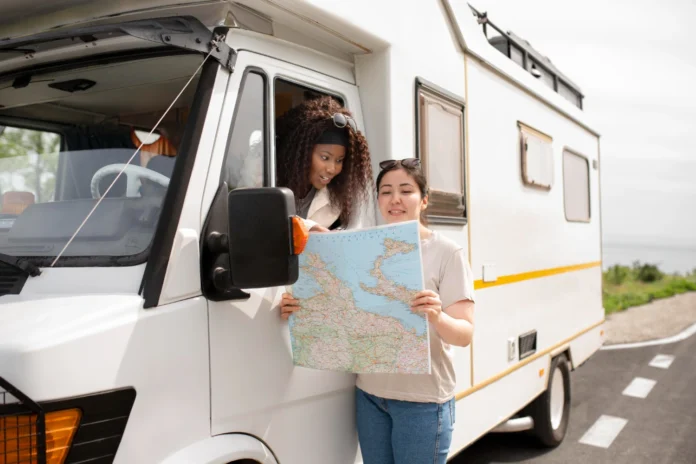


Campervan travel has a different rhythm from traditional vacations. Instead of checking into a hotel every night, travelers carry part of their comfort with them. The road becomes more flexible, scenic stops feel easier, and the trip can shift based on weather, mood, or a place that deserves more time.
For many travelers, the appeal is simple. A campervan makes it possible to combine transportation, storage, rest, and adventure in one setup. It can work for national park trips, coastal drives, weekend escapes, music festivals, mountain routes, desert travel, and longer cross-country journeys.
Still, a good campervan trip needs planning. The best road trips feel free, but they are usually built on smart preparation.
Table of Contents
Route Planning Should Stay Flexible
A campervan trip does not need a strict hour-by-hour schedule. In fact, overplanning can take away some of the freedom that makes this style of travel appealing. At the same time, no plan at all can lead to stress, especially when campsites fill up or driving distances are longer than expected.
Start with a general route. Choose the main places you want to visit, then build in extra time between them. Scenic drives often take longer than maps suggest because of overlooks, small towns, fuel stops, meals, weather, and slower roads.
It helps to plan around regions rather than trying to cover too much distance. A weekend trip might focus on one park or coastal area. A weeklong trip may allow for several stops, but still works best when each day includes realistic driving time.
Campsites and Overnight Stops Need Early Attention
A campervan offers flexibility, but it does not mean travelers can park anywhere overnight. Campground rules, city parking laws, national park restrictions, private property rules, and local ordinances all matter.
Popular campgrounds can fill quickly, especially near national parks, beaches, and major outdoor destinations. The National Park Service provides helpful information for planning a camping trip, including campground types, reservations, safety, and responsible outdoor behavior.
Before the trip, decide which nights need reservations and which nights can stay flexible. If traveling during peak season, near a holiday, or to a very popular destination, booking key stops early can prevent last-minute stress.
The Right Vehicle Changes the Whole Experience
Not all campervans are the same. Some are compact and easy to drive. Others include more space, kitchen features, sleeping areas, storage, or off-grid options. The best choice depends on the number of travelers, trip length, road type, comfort needs, and budget.
A solo traveler may prefer a smaller van that is easy to park. A couple may want a setup with a comfortable bed and basic cooking space. A family may need more seating, storage, and sleeping arrangements. Travelers planning remote routes may need more careful attention to fuel range, tires, water storage, and power.
For people who want a road trip experience without buying a vehicle, Campervan rental can make it easier to choose a travel setup that matches the trip. Renting also gives travelers a chance to test van life before making any long-term decision.
Packing Light Makes the Trip Easier
Space inside a campervan is limited, so packing should be thoughtful. Too much gear can make the van feel crowded and difficult to manage. The goal is to bring what supports comfort and safety without filling every corner.
Useful items may include layered clothing, comfortable shoes, reusable water bottles, basic cooking supplies, charging cables, toiletries, towels, flashlights, a small first-aid kit, trash bags, and simple cleaning supplies.
Soft bags are often better than hard suitcases because they are easier to store. Packing cubes or small bins can help keep food, clothes, kitchen items, and outdoor gear organized.
Food Planning Should Stay Simple
One of the benefits of campervan travel is the ability to carry food and prepare simple meals. This can save money and make remote travel easier. However, meals should be realistic for the space and equipment available.
Easy options include sandwiches, wraps, oatmeal, pasta, eggs, fruit, trail mix, soup, coffee, and one-pan meals. If the van has a small refrigerator or cooler, plan meals around storage limits.
Keep water supply in mind. Drinking, cooking, cleaning, and brushing teeth can use more water than expected. Refill whenever there is a reliable opportunity, especially before driving into remote areas.
Road Safety Matters More With Extra Weight
A campervan may drive differently from a regular car. It can be heavier, taller, wider, or slower to stop. Wind, curves, steep roads, and rough surfaces may also feel different.
Before leaving, check mirrors, lights, tires, fuel, fluids, and basic controls. Know the vehicle height so you can avoid low bridges, garages, drive-thrus, or tree branches. Drive slower on winding roads and leave extra space for braking.
The National Highway Traffic Safety Administration offers vehicle safety information that can help travelers think about safer driving habits, tires, seat belts, and road readiness. Safety checks should be part of the road trip routine, not an afterthought.
Weather Can Change the Plan
Weather affects campervan travel more than many people expect. Rain can make campsites muddy. Wind can make driving harder. Heat can make sleeping uncomfortable. Cold nights can require extra blankets or heating plans.
Check weather before moving to the next destination. If conditions look poor, adjust the route or schedule when needed. A flexible campervan trip allows travelers to stay longer in a good location or skip an area that becomes unsafe or uncomfortable.
This flexibility is one of the biggest advantages of van travel. The route can change without canceling hotel bookings in several different cities.
Respect Public Lands and Local Communities
Campervan travel works best when travelers are responsible. Stay in legal overnight areas, pack out trash, follow fire rules, respect quiet hours, and avoid blocking roads, trailheads, or private driveways.
Do not dump wastewater except in approved places. Keep campsites clean and leave outdoor areas better than you found them. Responsible travel helps protect access for future visitors and reduces conflict with local communities.
Also Read : A Smarter Homeowner’s Checklist for Hiring a Roofing Contractor
Final Thoughts
Campervan travel offers freedom, comfort, and a closer connection to the places along the route. It gives travelers more control over where they stop, how long they stay, and how they experience the road.
The best trips combine flexibility with preparation. Choose the right vehicle, plan realistic routes, reserve important campsites, pack efficiently, drive safely, and respect local rules. With the right approach, a campervan trip can feel relaxed, memorable, and refreshingly different from a standard vacation.