
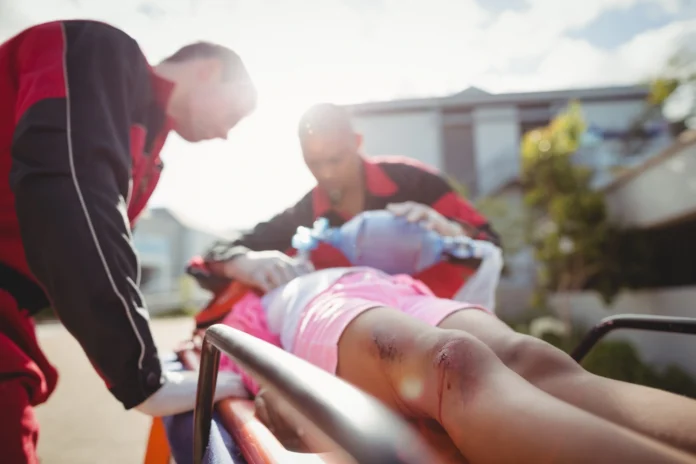


An injury accident can disrupt your day, your work, your health, and your finances all at once. In a busy city like Atlanta, accidents may happen on highways, neighborhood roads, sidewalks, apartment properties, stores, job sites, or public spaces. The setting may change, but the first steps after an injury often shape what happens next.
Many people feel unsure after an accident. Pain may not appear right away. Details can become blurry. Insurance companies may start calling before you fully understand your injuries. Taking organized, practical steps can help protect your health and preserve important information.
Table of Contents
Put Medical Care First
Your health should always come before paperwork, photos, or insurance calls. If the injury is serious, call 911 or ask someone nearby to get emergency help. For less obvious injuries, it is still wise to see a doctor as soon as possible.
Some injuries develop slowly. Whiplash, back pain, concussions, soft tissue injuries, and internal injuries may not feel severe at the scene. Adrenaline can hide pain for several hours. A medical evaluation creates a record of your condition and gives you a clearer path for treatment.
Keep copies of discharge papers, test results, prescriptions, therapy notes, and medical bills. These records may later help show how the accident affected your health and daily life.
Report the Accident Clearly
The right type of report depends on where and how the accident happened. If you were involved in a car crash, police may respond to the scene and prepare a report. If an officer does not respond, Georgia uses a personal accident report form in some situations. Glynn County, Georgia explains that the Personal Report of Accident Form SR-13 may be completed when a traffic accident occurs and law enforcement is not called to make a report.
For falls or injuries on commercial property, report the incident to the manager, property owner, landlord, or security office. Ask whether an incident report can be completed. Get the name and position of the person who took the report.
Do not rely only on verbal communication. If possible, send a short follow-up email or message confirming the date, time, location, and basic facts of what happened.
Gather Evidence Before It Disappears
Evidence can change quickly after an accident. A wet floor may be cleaned. A damaged handrail may be repaired. Security camera footage may be overwritten. Vehicles may be moved, repaired, or totaled. Witnesses may leave the area and become difficult to find.
If you can safely do so, take photos and videos from different angles. Capture the hazard, location, lighting, weather, vehicle damage, skid marks, road signs, traffic signals, visible injuries, and anything else connected to the accident.
For a car crash, exchange contact, license, vehicle, and insurance details with the other driver. For a property injury, photograph the area before conditions change. For a dog bite, document the wound, the location, and any owner information available.
Witness names and phone numbers can be very helpful. Even one independent witness may clarify what happened if the other side later disputes the facts.
Be Careful With Insurance Communication
Insurance adjusters may contact you soon after an accident. They may sound friendly and routine, but their job is to evaluate the claim for the insurance company. Be polite, but avoid guessing, minimizing your pain, or giving recorded statements before you understand your injuries.
You can provide basic facts, such as your name, contact information, accident date, and location. Avoid saying things like “I am fine” or “I should have seen it” if you are still unsure. Simple comments can be taken out of context.
Do not sign broad medical releases without understanding what they allow. Do not accept a quick settlement before you know the full cost of treatment, missed work, future care, and long-term pain. For anyone unsure how to respond after an accident, speaking with an Atlanta personal injury attorney can help clarify what information should be shared and what should be handled carefully.
Know Georgia’s Filing Deadline
Georgia has a legal deadline for personal injury lawsuits. Under Georgia Code section 9-3-33, actions for injuries to the person generally must be brought within two years after the right of action accrues. Some claims may involve different rules, especially if a government agency is involved or if the injured person is a minor.
Waiting too long can make a claim harder even before the deadline arrives. Evidence may disappear, witnesses may forget details, and medical documentation may become less clear. It is better to understand the timeline early than to rush near the end.
Keep a Simple Recovery File
After an injury, paperwork can pile up quickly. A simple file can make the process less stressful. Save medical records, bills, receipts, repair estimates, police reports, incident reports, insurance letters, photos, videos, and witness information.
Also track missed work, reduced hours, transportation costs, medical travel, prescription costs, and help you needed around the house. These details may seem small at first, but they can reveal the true impact of the injury.
A short daily or weekly recovery journal may also help. Note pain levels, sleep problems, movement limits, emotional stress, missed family activities, and changes in your routine. You do not need long entries. A few clear sentences can be useful later.
Avoid Social Media Mistakes
After an accident, it is smart to be cautious online. Photos, comments, check-ins, and casual updates can be misunderstood. A simple picture at a family event may be used to suggest you are not seriously injured, even if you were only there briefly and in pain.
Avoid posting details about the accident, your injuries, conversations with insurance companies, or legal plans. Ask close friends and family not to tag you in posts related to the incident.
Final Thoughts
The days after an Atlanta injury accident can feel overwhelming, but a calm plan helps. Get medical care, report the accident, collect evidence, stay careful with insurance communication, and keep organized records.
Small steps taken early can protect your health and make the claims process clearer. Even if the situation seems manageable at first, treating the injury seriously from the beginning can prevent avoidable problems later.