
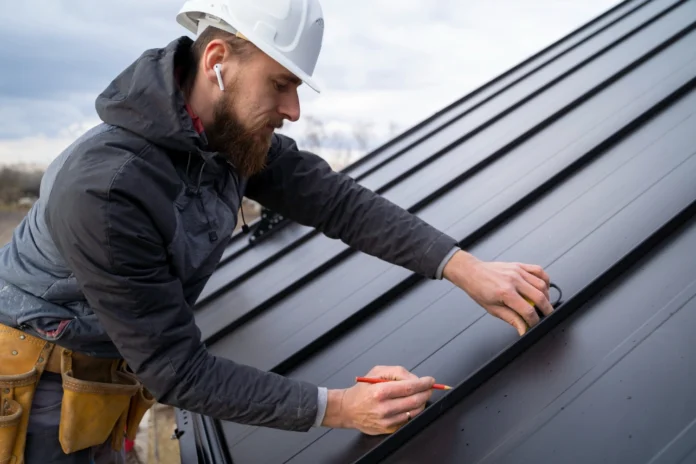


Tile roofs have a classic look that works well with many home styles, especially in warm, sunny, coastal, and Mediterranean-inspired regions. They are often chosen for their appearance, durability, and ability to handle tough weather when installed correctly.
Still, a tile roof is not a simple decorative upgrade. It is a major home improvement project that depends on structure, underlayment, flashing, ventilation, drainage, fastening methods, and proper installation. A beautiful tile roof can perform well for decades, but only when the full roofing system is planned carefully.
Table of Contents
Tile Roofing Is More Than the Tiles
Many homeowners focus on the visible part of the roof: the tile color, shape, and style. Those details matter, but the tiles are only one part of the system.
Under the tiles, the roof needs proper decking, underlayment, flashing, battens or fastening systems, ventilation, and drainage. These hidden layers help keep water out and support long-term performance. If the visible tiles look good but the underlayment or flashing is weak, leaks can still happen.
This is why tile roofing should be viewed as a complete system rather than a surface finish. The quality of the installation matters just as much as the tile itself.
Roof Structure Must Be Evaluated First
Tile roofs can be heavier than some other roofing materials. Before choosing tile, the home’s structure should be evaluated to make sure it can support the weight. This is especially important if a homeowner is replacing asphalt shingles or another lighter roofing material with concrete or clay tile.
A structural review may include checking the roof framing, decking, slope, age of the home, and local building requirements. Skipping this step can create long-term problems. A roof should not only look attractive; it must be safely supported.
If the structure needs reinforcement, that should be planned before installation begins. It is better to address support issues early than to discover them during the project.
Underlayment Plays a Critical Role
Tile is durable, but it is not the only moisture barrier. Wind-driven rain, broken tiles, debris, or roof movement can allow water to reach lower layers. Underlayment helps protect the roof deck from moisture that gets beneath the tiles.
The type and quality of underlayment can affect roof performance, especially in areas with heavy rain, intense sun, or seasonal storms. Proper overlap, fastening, sealing, and flashing connections are essential.
Homeowners reviewing tile roof installation details should pay close attention to the full system, not only the finished tile pattern. A strong installation depends on the parts people usually do not see from the ground.
Tile Style Affects Appearance and Performance
Tile roofs come in different profiles, including flat, low-profile, and high-profile styles. The shape affects the roof’s appearance, shadow lines, drainage behavior, and overall architectural feel.
Color also matters. Light-colored tiles may reflect more sunlight than darker materials, depending on the product. The U.S. Department of Energy explains that cool roofs are designed to reflect more sunlight and absorb less solar energy, which can help reduce roof surface temperatures.
For homes in hot climates, tile color and reflectivity may be part of an energy-conscious roofing decision. However, homeowners should balance appearance, neighborhood style, climate, and product performance before choosing.
Flashing and Roof Details Need Careful Work
Many roof leaks happen around details, not in the middle of wide-open roof sections. Chimneys, skylights, vents, valleys, walls, solar mounts, and roof edges all need proper flashing.
Flashing directs water away from vulnerable areas. If it is poorly installed, damaged, or mismatched with the tile system, water may enter the home even when the tiles look intact.
Valleys also deserve attention because they carry a large amount of water during rain. Debris buildup in valleys can slow drainage and increase leak risk. Proper layout and maintenance help keep water moving off the roof.
Ventilation Supports Roof and Attic Health
Roof ventilation affects heat, moisture, and attic conditions. Poor ventilation can make attic spaces hotter, increase moisture concerns, and affect overall roof performance.
Ventilation planning should consider intake and exhaust airflow. The roof design, attic layout, insulation, local climate, and building code requirements all matter. A roofing project is a good time to review whether the existing ventilation system is working properly.
Proper ventilation can also help improve indoor comfort, especially in warm regions where attic heat builds up during the day.
Installation Safety Should Never Be Overlooked
Tile roof work can be dangerous. Tiles can be slippery, fragile, and difficult to walk on without causing damage. Roof slopes, edges, weather, tools, and material handling all create risks.
The Occupational Safety and Health Administration provides guidance on fall protection, which highlights the serious risks connected to working at height. Homeowners should avoid climbing onto tile roofs to inspect or adjust materials themselves.
Professional roofers should use proper safety equipment, roof access methods, and material handling practices. Safety protects workers and also reduces the chance of accidental roof damage.
Maintenance Helps Extend Roof Life
Tile roofs are durable, but they still need maintenance. Homeowners should watch for broken, slipped, or missing tiles. Gutters and valleys should be kept clear of leaves, branches, and debris. Flashing, sealants, vents, and roof penetrations should be checked periodically.
After storms, it is smart to inspect the roof from the ground. Look for visible damage, loose pieces, or debris impact. Inside the home, check ceilings and attic areas for water stains, musty smells, or damp insulation.
Cleaning should be done carefully. Harsh methods or improper walking can crack tiles. If roof cleaning or repair is needed, it is safer to use professionals familiar with tile systems.
Also Read : Practical Photo Album Design Tips for Professional and Personal Projects
Final Thoughts
A long-lasting tile roof starts with good planning. Homeowners should consider structural support, underlayment, flashing, ventilation, tile profile, color, drainage, and future maintenance before installation begins.
Tile roofing can add beauty and durability to a home, but the best results depend on the entire system beneath the surface. When installed and maintained correctly, a tile roof can provide lasting protection while giving the home a strong, timeless appearance.